Summary
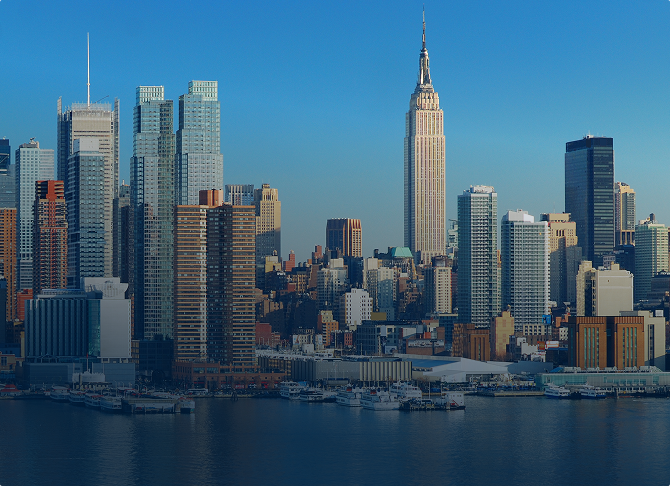
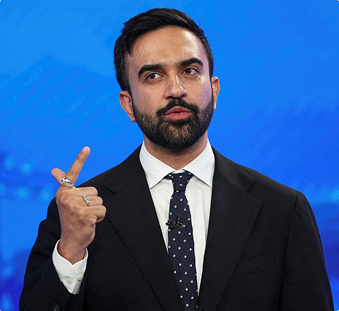
How did a 34-year-old democratic socialist become the mayor of the city that built Wall Street? New York, the global hub of capitalism, just handed the keys to City Hall to Zohran Mamdani, a young politician whose platform promises to reshape the most powerful financial city on Earth.
I have lived and worked for over three decades in the world of finance and capital markets in New York and have seen cycles come and go, from the near-collapse of the early 1990s to the Great Financial Crisis, and the COVID shock that emptied Manhattan’s streets. Yet this moment feels different. Mamdani’s election is a symptom of a deeper, global frustration.
New Yorkers are angry, and many are desperate. The affordability crisis has reached a breaking point. Renters are spending half their income on housing, grocery bills have soared, and young professionals, burdened with student debt, are living in overcrowded small apartments. Mamdani tapped into that pain with political precision. He promised relief: rent freezes, free public transit, universal childcare, a $30 minimum wage, and a more humane approach to policing.
But the math behind those promises is far less romantic. Mamdani’s central fiscal plan to “tax the rich” plays well at rallies, but the numbers tell a different story. In New York, the top 1% of earners contribute nearly half of all personal income tax revenue. Push that group too far, and they’ll take their companies, their investments, and their employees elsewhere.
Municipal budgets are not abstract. They pay teachers, firefighters, subway repairs, and hospitals. Dramatic tax hikes or policies that disincentivize private investment risk slower hiring, lower property values, deferred projects, and fewer philanthropic dollars.
New York has been here before: battered, bruised, and reborn. In the mid-1970s, the city teetered on the edge of bankruptcy, and only through wrenching compromises between public institutions and private markets did it survive.
The winning playbook is pragmatic partnership: target aid to the truly needy, invest in housing supply and affordability, and design revenue measures that broaden rather than chase away the base. I am betting on resilience. New Yorkers are stubbornly durable, but resilience alone will not save us if the city’s economic engine is dismantled. The real test is creating an environment where idealism can coexist with capitalism.
Share a few details and Edward will get back to you shortly.
Related Articles


Edward L. Shugrue III on Returning to the Office: A Cultural Shift and Investment Opportunity

Edward L. Shugrue III Offers a Clear-Eyed View of the Coming Shift in Commercial Real Estate