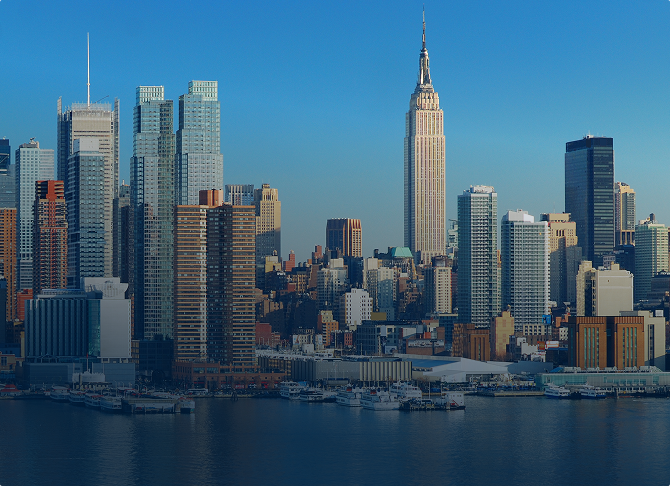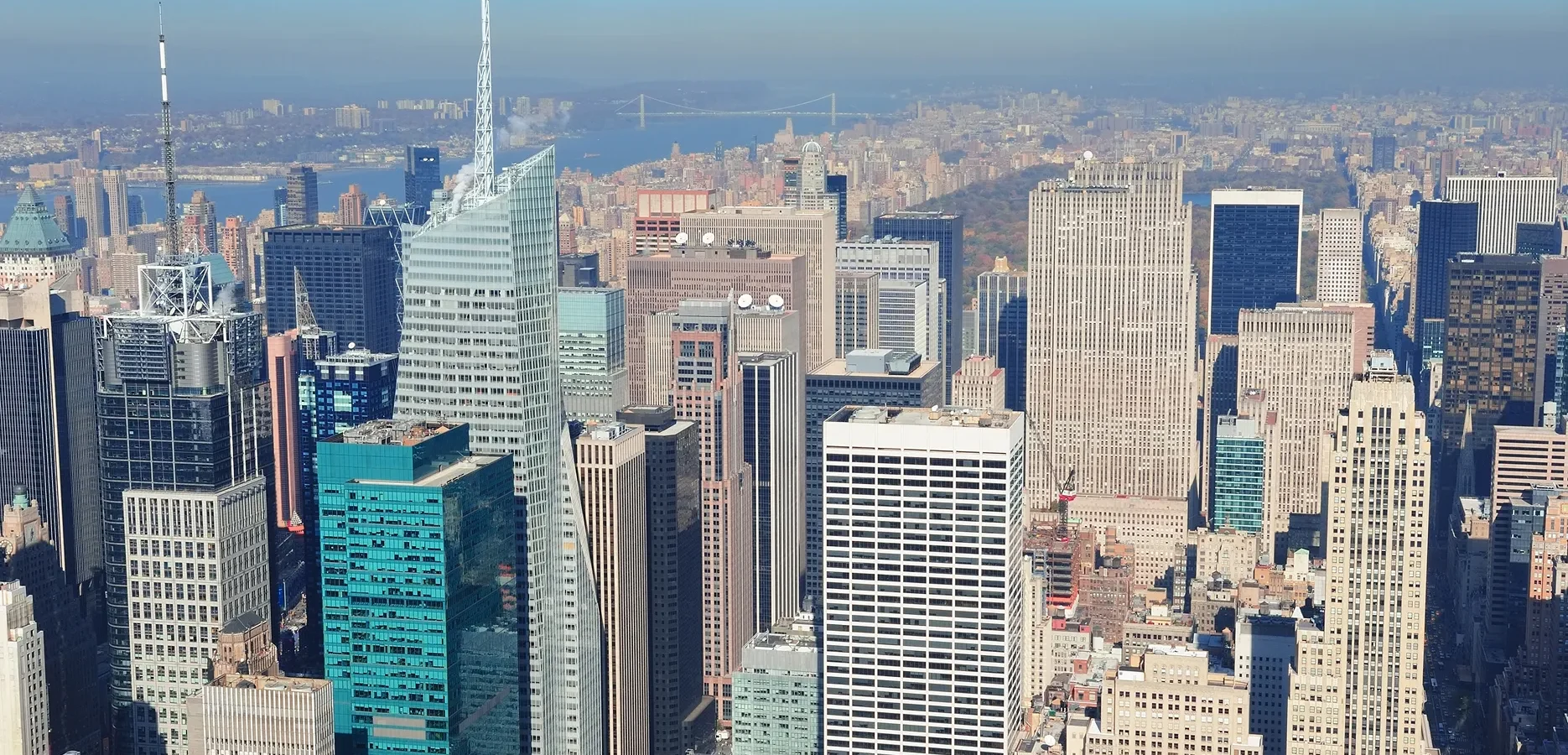
The conversation around distressed office towers continues to evolve, and Edward L. Shugrue III, Managing Director at RiverPark Funds, offers a lens on what he believes is a new playbook for legacy office assets. Using recent market developments, Shugrue aims to shed light on how capital flows, ownership dynamics, and valuation frameworks are recalibrating across major U.S. office markets. He says, “I look at the structural signals within each transaction, because they often help put headline moments into a broader market context rather than treating them as stand-alone events.”
Shugrue’s professional background provides essential context for this analytical approach. Over more than three decades, he has held roles spanning ownership, lending, advisory work, and restructuring. Earlier in his career, he led an investment management firm, where he oversaw large commercial mortgage-backed securities (CMBS) portfolios, and helped develop an early commercial real estate mezzanine platform while building a CMBS special servicer that completed over $40 billion in restructurings. His time at a global investment bank, combined with his involvement in the turnaround and public listing of a regional financial institution, further deepened his understanding of capital markets and complex restructurings.
That breadth of experience shapes how he interprets current developments in the office sector. One recent example is Extell Development’s strategy at Worldwide Plaza, where the firm acquired mezzanine debt to pursue control through UCC foreclosure. For Shugrue, this move reflects a broader trend gaining traction across the market as participants reassess where influence resides within the capital stack.
“What we’re seeing right now is a moment where equity is under pressure, and mezzanine lenders are stepping into positions that can give them control,” Shugrue explains. “The entire capital stack is being re-evaluated, and that’s shaping how ownership may shift over the next few years. When property values decline, control tends to shift from the equity to the lenders.”
Worldwide Plaza itself offers an illustration of the repricing underway in U.S. office real estate. “When you look at the valuation path, you get a sense of how much the market has shifted. The property was estimated at around $1.7 billion back in 2017, and today the implied value is closer to $350 million. Depending on how recoveries play out, the CMBS trust could be looking at losses of over $600 million,” Shugrue says.
These figures reveal the vulnerability of even prominent, institutional-quality properties and suggest that tranches once viewed as safe, including highly rated CMBS classes, may face pressure as values continue to reset. Shugrue notes that markets periodically remind participants that ratings describe a moment in time, while real estate values evolve with performance and the overall market.
This repricing also signals a shift in influence across Manhattan’s real estate landscape. Traditional office landlords such as SL Green and RXR, long considered dominant players, while taking advantage of this dislocation, are also being forced to defend legacy assets. At the same time, Extell, historically known for luxury residential development, is entering the office market through its debt position.
“Each cycle tends to introduce new stewards for legacy assets,” Shugrue says. “Fresh capital often arrives with different assumptions about time horizons and use cases.” For him, this redistribution of influence is characteristic of distress cycles, which often introduce new ownership cohorts into legacy asset classes.
Beyond the mechanics of individual transactions, the situation raises broader questions about the highest and best use of aging office towers. Investors and urban planners alike are debating whether certain buildings should remain office-focused, transition to residential use, or evolve into hybrid mixed-use formats. Midtown West, in particular, stands at a point of reevaluation as tenant preferences and space utilization patterns continue to shift. Shugrue gestures toward this wider context. He says, “Buildings ultimately follow demand patterns, and demand patterns tend to follow how people live and work across generations.”
As these discussions continue, many observers frame the Worldwide Plaza situation as an ongoing contest for control. References to “round two” or heavyweight bouts capture the sense that this is only one chapter in a longer sequence of negotiations, restructurings, and repositioning efforts. The broader narrative reflects a power struggle shaped by legal frameworks, capital access, and evolving tenant strategies. Shugrue approaches these developments with realism.
Ultimately, Worldwide Plaza stands as a high-profile example of how distressed office assets are being repriced, reshuffled, and potentially repurposed across major U.S. cities. Mezzanine lenders and opportunistic buyers are becoming increasingly visible in rewriting ownership pathways during the post-pandemic office transition. The emerging playbook suggests a future in which capital structure positioning may prove as consequential as the physical attributes of the assets themselves.
Shugrue encourages investors to view distressed office situations as indicators of broader market transformation. The interplay between shifting capital structures, evolving tenant demand, and changing urban redevelopment priorities points to a period of meaningful recalibration for legacy office assets. Through that lens, the current cycle appears as an adjustment phase in the long arc of commercial real estate markets.
Share a few details and Edward will get back to you shortly.
Related Articles


Edward L. Shugrue III on Returning to the Office: A Cultural Shift and Investment Opportunity

Edward L. Shugrue III Offers a Clear-Eyed View of the Coming Shift in Commercial Real Estate