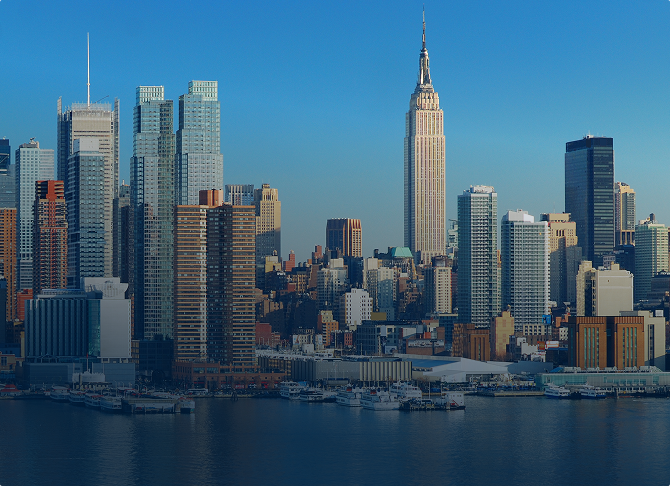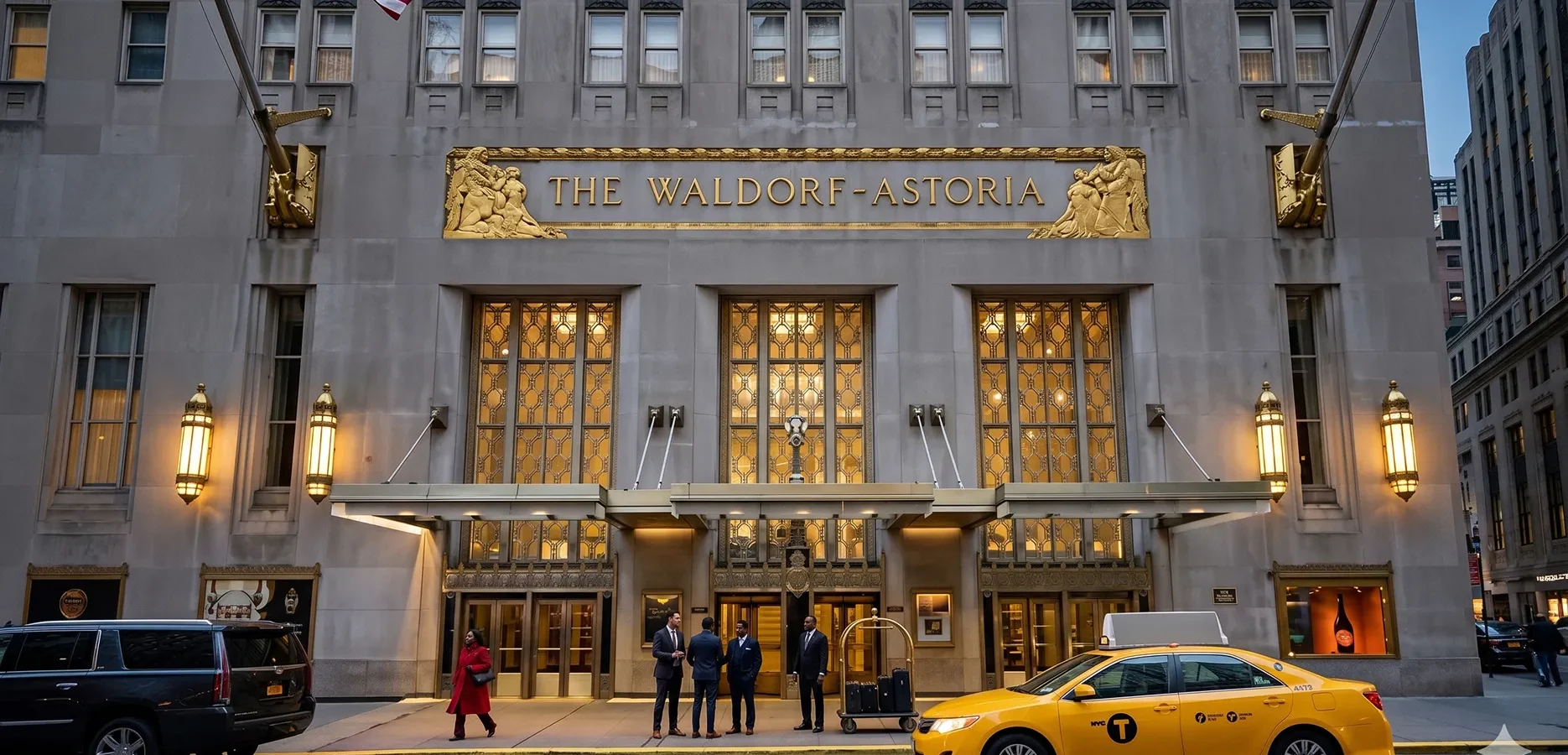
Few hotels on earth have hosted a lineage of presidents, royalty, and cultural icons quite like the Waldorf Astoria New York. Nikola Tesla, Marilyn Monroe, Angelina Jolie, Cole Porter, and Frank Sinatra once called its suites home. Every U.S. president from Herbert Hoover through Barack Obama stayed in its storied Presidential Suite, and Queen Elizabeth II chose it for her only overnight visit to New York. That continuity of influence, spanning science, politics, culture, and celebrity, forms a rare kind of intangible capital, the sort that cannot be replicated or engineered.
It is against this backdrop that the hotel component of the newly redeveloped Waldorf Astoria has officially been brought to market. Eastdil Secured, representing Dajia Insurance Group, is now seeking a buyer for what many observers consider the most consequential hospitality asset to hit Manhattan in a generation.
The property’s transformation, 375 hotel rooms paired with 372 private residences. followed an extensive, multi-year overhaul. The restoration revived the lobby’s original proportions, preserved landmarked interiors under the guidance of the Landmarks Preservation Commission, replaced more than 5,500 windows with historically accurate replicas, and cleaned or replaced 1.4 million exterior bricks. The result is a hybrid of heritage and modernity, occupying a full Park Avenue block with a scale and presence few buildings can match.
Market speculation places the hotel’s valuation north of $1 billion. However, for Edward Shugrue III, Managing Director at RiverPark Funds and Portfolio Manager of the RiverPark Floating Rate CMBS Fund, the intrigue is not merely numerical.
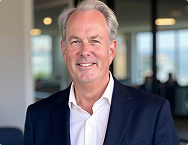
With more than three decades of navigating commercial real estate cycles as an owner, lender, and restructuring specialist, Shugrue sees the sale as a moment of unusual strategic significance. “The excitement stems not just from the number itself,” he says. “It’s the singularity of the asset. Only a limited group of global properties carries comparable cultural and architectural weight. Think of Claridge’s in London or the Hôtel de Crillon in Paris. Ownership conveys visibility that extends beyond financial metrics.”
Shugrue characterizes assets of this stature as a form of corporate signaling. “A property like this functions as a global billboard,” he explains. “It communicates permanence, access, and confidence in a way that a spreadsheet alone cannot capture.” In his view, the purchase would likely serve broader strategic objectives, including brand extension, geopolitical presence, or vertical integration, alongside conventional underwriting.
The broader market backdrop helps explain why the Waldorf’s sale is landing with such force. Global hotel investment volumes in 2025 climbed 22% from the 2023 trough, a rebound fueled by tourism’s full recovery and sustained travel demand. At the same time, PwC highlights a widening performance gap across hospitality, with luxury assets outperforming as lower-tier segments face margin pressure. These trends point to a cycle that disproportionately rewards scale, brand strength, and operational discipline, precisely the attributes embedded in Waldorf’s repositioned profile.
Financially, the redevelopment involved significant capital, reportedly exceeding $4 billion when acquisition and renovation costs are combined. Shugrue approaches the valuation with pragmatism. “The heavy lift has already been completed,” he says. “An incoming owner would be acquiring a stabilized platform with limited development exposure.” He suggests that the long-term management agreement under Hilton Worldwide preserves brand continuity, while the reduced room count enhances operational manageability and elevates average room size.
According to Shugrue, top suites currently command nightly rates in the low thousands, positioning the hotel within the upper tier of Manhattan luxury, even as certain European ultra-luxury properties achieve higher peak pricing.
Broader geopolitical dynamics may also influence the buyer profile. Dajia’s stewardship followed regulatory intervention involving its predecessor, Anbang Insurance Group, and the protracted renovation introduced fatigue alongside complexity. Shugrue suggests that sovereign wealth, energy capital, or global luxury groups could view the acquisition as a strategic foothold. “In moments of uncertainty, visibility becomes valuable,” he remarks. “Owning an address that the world recognizes can anchor a broader narrative.”
The marketing process may unfold swiftly, with indications of interest narrowing to a focused bidder pool before a final selection. Anticipation centers on which sector will claim what some observers describe as the gold medal of New York hospitality. Technology, energy, luxury conglomerates, or emerging capital sources could each see distinctive advantages. For the eventual steward, inclusion within the Waldorf’s lineage places one’s name alongside a remarkably small cohort of custodians, including the likes of the Astors, Hiltons, and Blackstone.
Shugrue states, “The sale offers a moment for global capital to signal commitment to Manhattan at a time when cross-border investment regains momentum. Opportunities of this magnitude surface infrequently. When they do, they invite strategic resolve.”
Share a few details and Edward will get back to you shortly.
Related Articles


Edward L. Shugrue III on Returning to the Office: A Cultural Shift and Investment Opportunity

Edward L. Shugrue III Offers a Clear-Eyed View of the Coming Shift in Commercial Real Estate