Summary
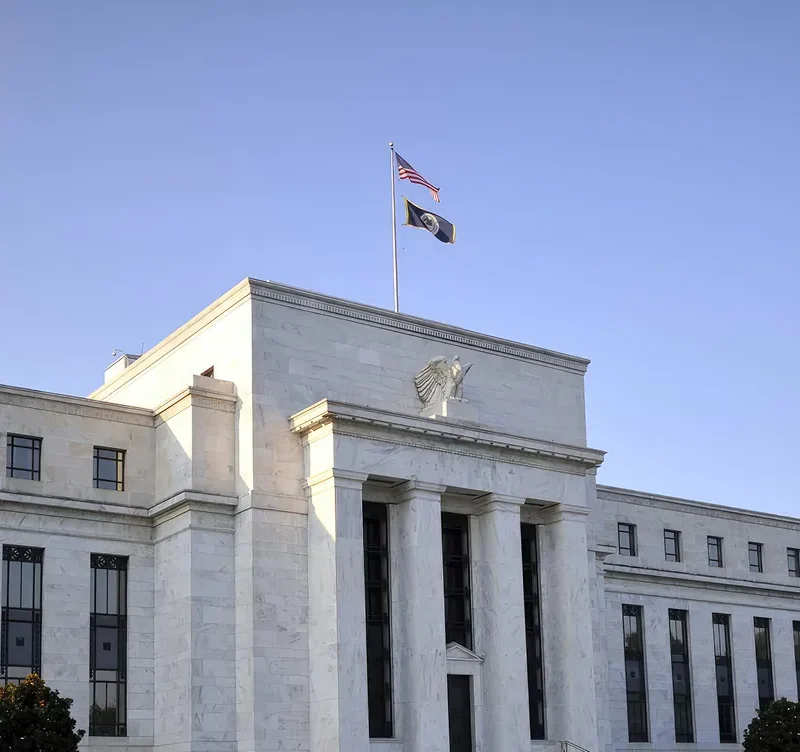
J.P. Morgan expects the Federal Reserve to keep interest rates unchanged at its April 28–29 meeting despite growing economic risks linked to the ongoing Middle East conflict and rising energy prices. The Fed previously maintained rates at 3.5%–3.75%, with Fed Chair Jerome Powell emphasizing a cautious “wait-and-see” approach. Although higher oil prices pushed headline inflation sharply higher in March, underlying inflation remained relatively stable, while the U.S. labor market showed resilience with stronger-than-expected job growth and a slight decline in unemployment. According to J.P. Morgan economists, these conditions give the Fed confidence that the economy can withstand current energy-related pressures without immediate policy changes.
Looking ahead, J.P. Morgan forecasts that the Fed will likely keep rates steady throughout 2026 before potentially implementing a modest 25-basis-point rate hike in the third quarter of 2027. The outlook remains uncertain because inflation risks from elevated energy prices are competing with concerns about slowing economic growth and employment. Fed officials are reportedly becoming less supportive of rate cuts due to persistently high inflation and fears that inflation expectations could become unanchored. However, the central bank could still consider cutting rates if the labor market weakens significantly or if the economic impact of the energy shock worsens considerably. Overall, the future direction of U.S. monetary policy is expected to depend heavily on how the Middle East conflict evolves and its long-term effects on inflation and economic growth.