Summary
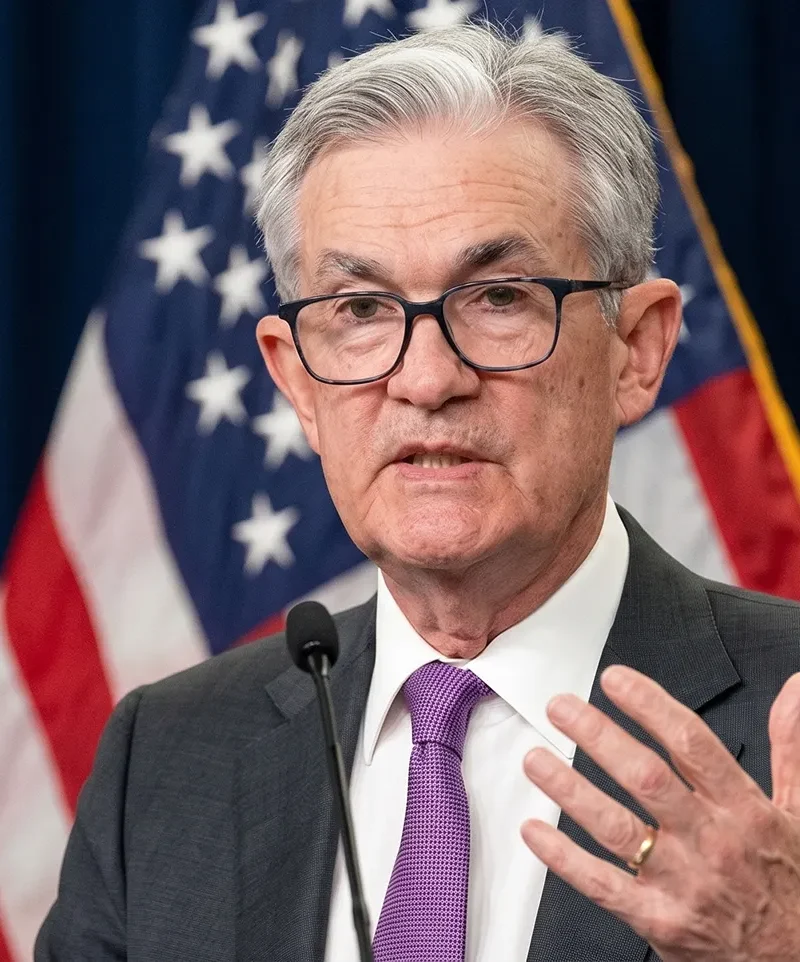
The United States Department of Justice has officially dropped its criminal investigation into Jerome Powell, removing a major obstacle to the Senate confirmation of Kevin Warsh as the next Federal Reserve Chair under President Donald Trump. The announcement was made by U.S. Attorney Jeanine Pirro shortly after Warsh testified before the Senate Banking Committee. Republican Senator Thom Tillis had previously blocked Senate action on Warsh’s nomination until the investigation into Powell was ended.
The investigation focused on cost overruns tied to the Federal Reserve’s multi-billion-dollar headquarters renovation project in Washington, D.C. Pirro stated that the matter would instead continue under the Federal Reserve’s inspector general, which has already been reviewing the renovation since mid-2025. Powell had requested the inspector general’s review after criticism from Trump regarding the project’s expenses. While Pirro closed the criminal probe, she warned that it could be reopened if future findings justify further action. The White House supported the decision, arguing that the inspector general has broader authority to examine the Federal Reserve’s financial management practices.
The development sparked strong political reactions. Republican Senator Tim Scott supported shifting oversight from prosecutors to Congress and said the move was necessary to move Warsh’s confirmation forward. Scott described Powell as “incompetent, not criminal” and suggested Congress establish stronger oversight of large Federal Reserve construction projects. Meanwhile, Democratic Senator Elizabeth Warren criticized the decision, accusing the Trump administration of trying to pressure the Federal Reserve and clear the way for Warsh’s confirmation. Warren argued that the investigation was politically motivated and warned that Trump was attempting to gain greater control over the central bank.
The controversy also connects to broader tensions between Trump and Federal Reserve leadership over interest rates. Powell and other Fed officials had resisted Trump’s demands for lower rates, leading critics to argue that the investigation was intended to pressure the central bank politically. Warren also highlighted the ongoing dispute involving Federal Reserve Governor Lisa Cook, who remains in legal conflict with the Trump administration after resisting similar pressure. Overall, the DOJ’s decision marks a significant political and financial development that could accelerate Warsh’s confirmation while intensifying debates about Federal Reserve independence and political influence over monetary policy.